Red Flags When Buying a House: 9 Warning Signs You Should Never Ignore
Mar 10, 2026
Written by David Dodge
A First-Time Buyer's Guide to Spotting the Warning Signs Before It's Too Late
Buying a house is probably the biggest financial decision most people will ever make. And yet, it's also one of the easiest decisions to get swept up in emotionally. You walk into a home, the light hits the kitchen just right, you can already picture your couch in the living room — and suddenly, every rational thought goes out the window.
That's exactly when red flags get missed.
Whether you're a first-time buyer or someone who's been through the process before, it pays to slow down and look at a property with clear eyes. Not everything that looks like a problem is a dealbreaker, and not everything that looks fine actually is. The goal here isn't to scare you away from buying — it's to make sure you know what to watch for so you can buy smart.
This guide walks through the most common red flags when buying a house, from the cosmetic to the catastrophic. Some are easy fixes. Others should have you walking away entirely. Knowing the difference can save you tens of thousands of dollars — and a whole lot of stress.
1. Structural Problems — The Big Ones
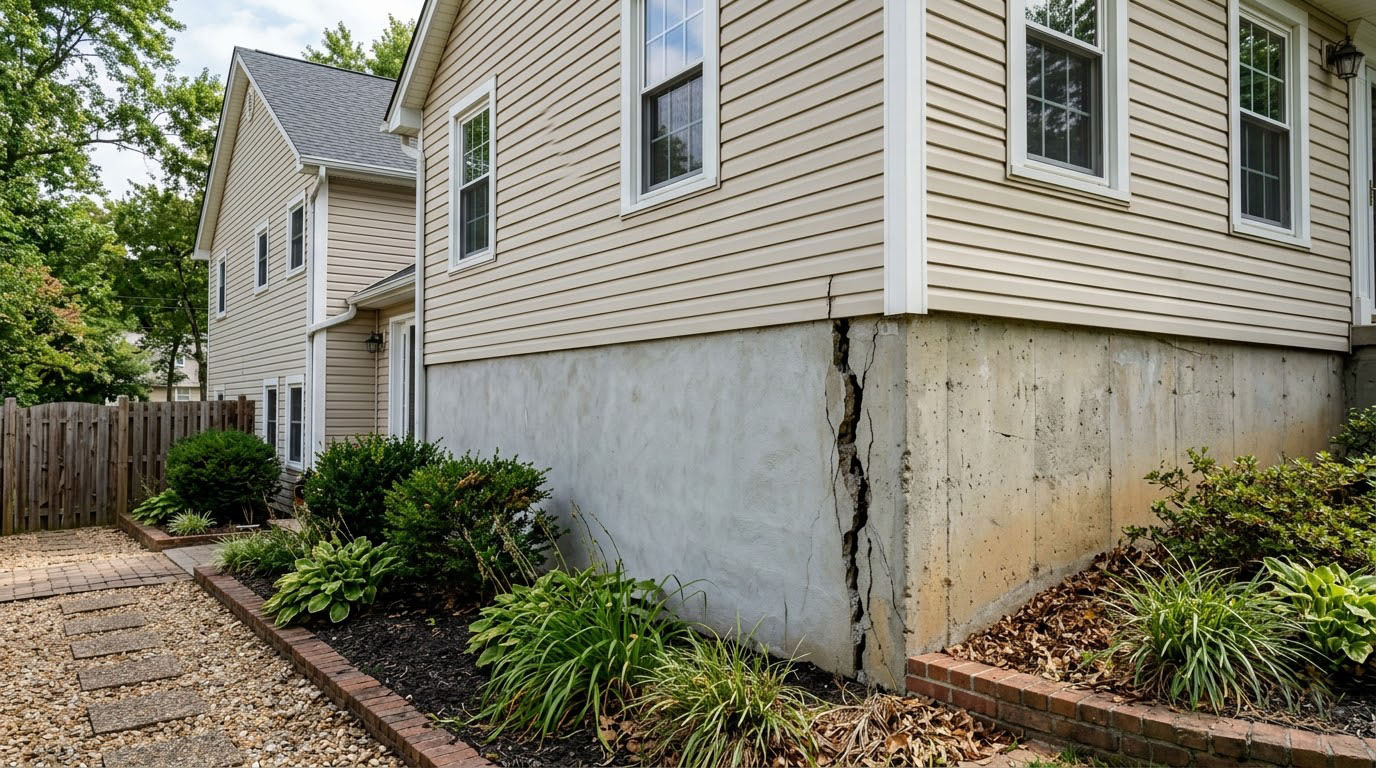
Structural issues are at the top of every home inspector's checklist for a reason. They're expensive to fix, they can worsen over time, and in some cases, they can make a house genuinely unsafe to live in. These are the red flags you should never brush off.
- Cracks in the Foundation
Not all cracks are created equal. Hairline cracks in a concrete foundation are fairly common and usually not a cause for panic — concrete does settle and shift slightly over time. But wide cracks (anything over a quarter inch), horizontal cracks, or cracks that are actively growing are a different story.
Horizontal cracks in basement walls are especially concerning because they often indicate pressure from the soil outside pushing against the foundation. That's a structural engineering problem, not a simple patch job. If you see cracks like this, get a structural engineer — not just a general inspector — to take a look before you make any decisions.
- Doors and Windows That Don't Close Properly
This one's easy to overlook, especially when you're touring a fully furnished home. But if doors are sticking, windows won't open or close, or you notice gaps at the corners of door frames, those are often signs that the house has shifted or settled unevenly. It's worth asking when it happened and why.
- Uneven or Sloping Floors
Some older homes have a bit of character in their floors — a slight slope here or there. But if you feel like you're walking uphill in the living room, or if you notice that furniture is visibly tilted, that warrants a closer look. It could mean foundation issues, water damage beneath the flooring, or structural problems in the subfloor.
Pro tip: Bring a small level to your home tours. It sounds nerdy, but setting it on the floor in a few rooms takes five seconds and can tell you a lot.
2. Water Damage and Moisture Issues
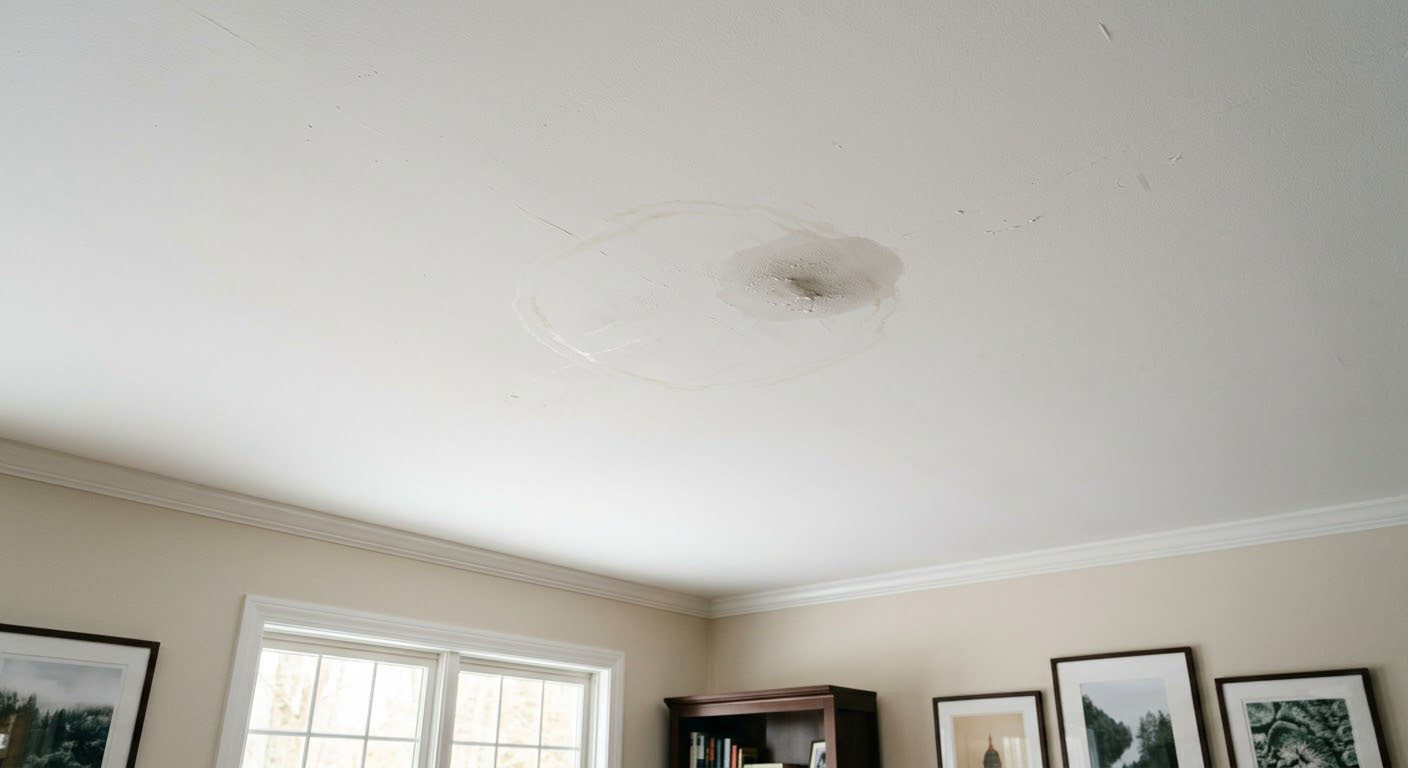
Water is probably the single most destructive force a home can face. It's slow, it's sneaky, and by the time you can see the damage, it's usually been going on for a while. Learning to spot the signs of water damage — past or present — is one of the most valuable skills a home buyer can have.
- Stains on Ceilings and Walls
Yellow or brown stains on ceilings are one of the most obvious signs of a water leak. They could mean a roof issue, a plumbing leak from the floor above, or a condensation problem. What you want to know is whether the leak is active or if it's been fixed. Don't be afraid to ask the seller directly — they're legally required to disclose known issues in most states.
Run your hand along the stain. If the drywall feels soft or spongy, there's likely active moisture. If it's hard and discolored, the leak may have been repaired but the stain was never painted over.
- Musty Smells
Trust your nose. A musty or damp smell — especially in basements, closets, or bathrooms — almost always points to mold or mildew. Sometimes sellers try to cover it with air fresheners or candles, which is why it's worth walking through a home with the windows closed if possible.
Mold remediation can be straightforward and inexpensive, or it can be a massive undertaking depending on how far it's spread. An inspection can help you figure out which situation you're dealing with.
- Grading and Drainage Problems
Step outside and look at how the yard slopes around the foundation. Ideally, the ground should slope away from the house so that rainwater drains away from the foundation. If it slopes toward the house — or if you notice pooling water near the foundation — you've got a drainage problem that can lead to basement flooding and foundation damage over time.
Also, check the gutters. Clogged, damaged, or missing gutters are a common culprit in water intrusion issues and are relatively cheap to fix — but they're a sign of deferred maintenance that might hint at bigger problems elsewhere.
3. Roof Problems
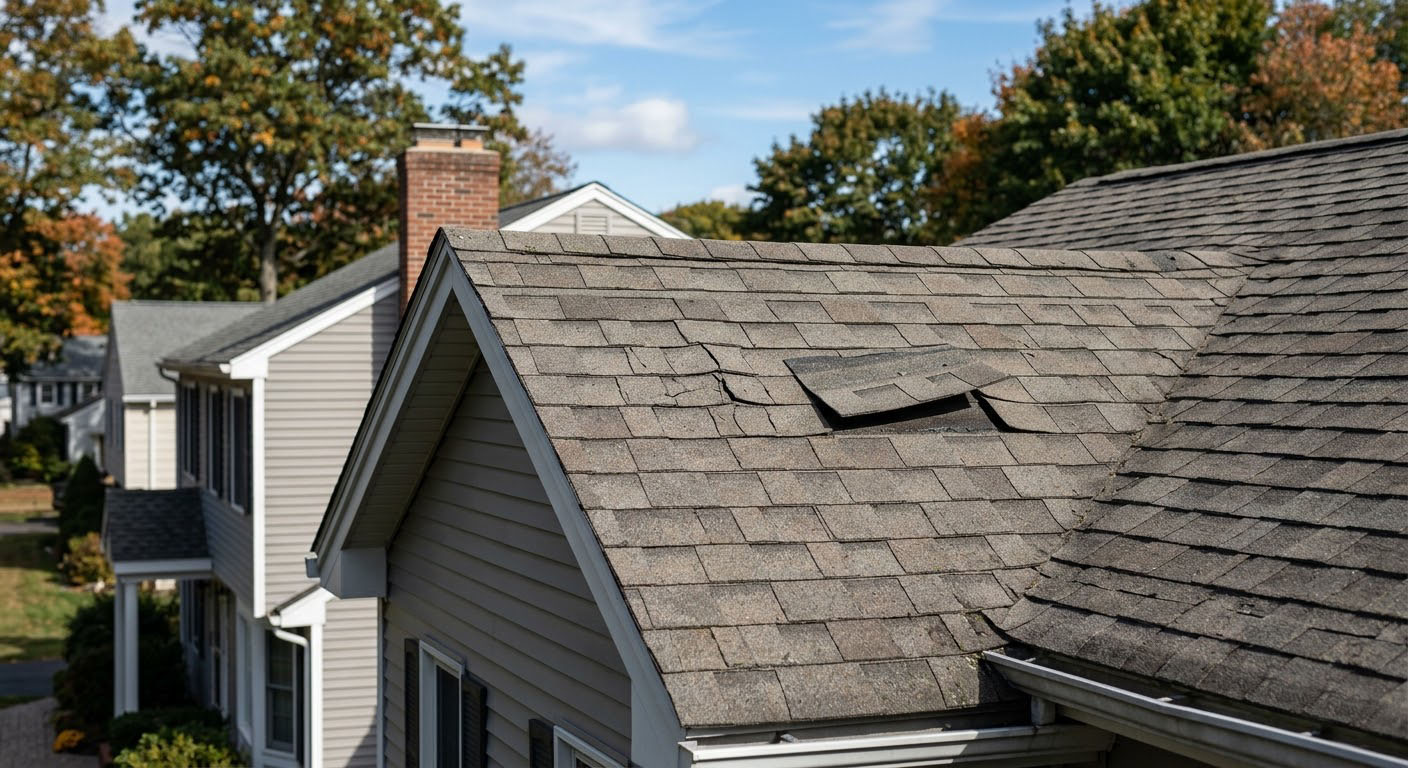
A roof replacement is one of the most expensive repairs a homeowner can face, often running anywhere from $8,000 to $20,000 or more, depending on the size of the home and the materials used. That's why the condition of the roof deserves serious attention.
- Missing, Curling, or Damaged Shingles
You don't need to get up on the roof yourself — in fact, please don't. But you can get a lot of information just by standing in the yard and looking. Missing shingles, shingles that are curling at the edges, or patches where the shingles look significantly different from the rest of the roof are all warning signs.
Ask the seller how old the roof is and whether they have any documentation of repairs or replacements. An asphalt shingle roof typically lasts 20 to 30 years. If you're looking at a roof that's pushing 25 years with no recent work, budget for a replacement in the near future.
- Sagging Roofline
A roofline that dips or sags in the middle isn't just a cosmetic issue — it often indicates structural damage to the roof deck or rafters, sometimes caused by prolonged water intrusion or carrying too much weight over time. This is a serious issue that needs professional evaluation before you proceed.
- Signs of Patching
Multiple layers of shingles or obvious patches suggest a history of repairs. Sometimes that's fine — a leaky spot was fixed responsibly. Other times, it means a series of problems were temporarily addressed rather than properly resolved. A good home inspector can help you read the history here.
4. Electrical and Plumbing Red Flags
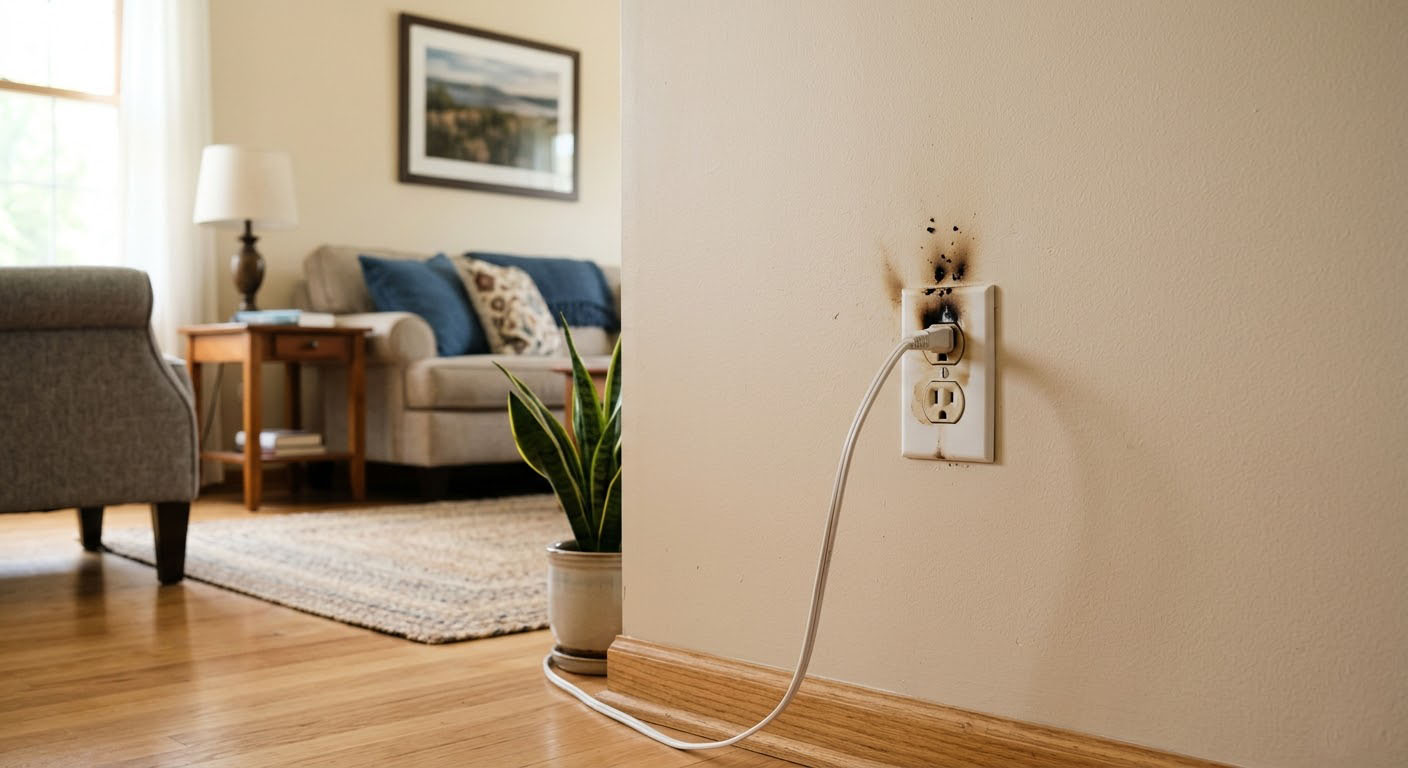
These two systems are invisible most of the time — hidden behind walls, under floors, running through ceilings — which is exactly what makes problems with them so frustrating. Outdated or faulty electrical and plumbing work is not just expensive to fix; it can be genuinely dangerous.
- Old or DIY Electrical Work
Knob-and-tube wiring (common in homes built before the 1940s) and aluminum wiring (used in some homes from the 1960s and 70s) aren't automatically a dealbreaker, but they do require attention. Both can be fire hazards if not properly maintained or updated.
Look at the electrical panel. If it's crowded with wires, has breakers that are doubled up, or if you spot any amateur-looking wiring — splices held together with electrical tape, exposed wires, mismatched materials — those are signs that someone did their own electrical work, and that it may not have been done safely or to code.
- Low Water Pressure
Turn on a few faucets during your tour. Low water pressure can be caused by a number of things: corroded pipes, a failing pressure regulator, or simply a local supply issue. It's worth finding out why. If the home has older galvanized steel pipes, there's a decent chance that corrosion is reducing flow — and that eventually those pipes will need to be replaced.
- Slow Drains and Plumbing Odors
Run the water and watch how quickly it drains. Slow drains in multiple fixtures suggest a main line issue rather than a simple clog. Sewage smells, meanwhile, could indicate a broken sewer line, a dried-out P-trap, or venting issues. A sewer scope inspection — where a camera is sent through the sewer line — is worth the investment on older homes, since sewer line repairs can easily run $3,000 to $10,000 or more.
5. HVAC System Concerns
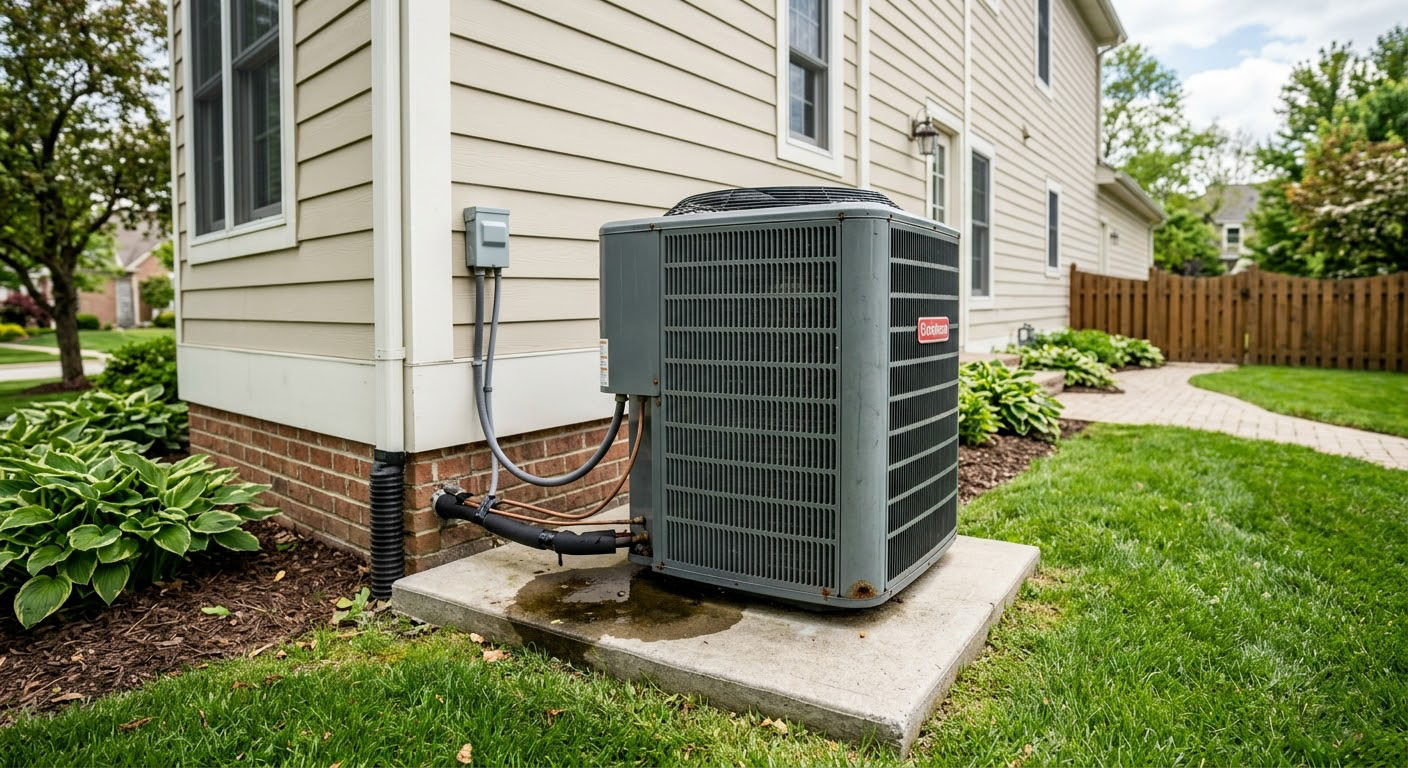
Heating and cooling systems don't last forever. A furnace or air conditioner that's approaching the end of its life is a predictable expense — but it's still a significant one, and it's something you want to know about before you close.
- Age of the System
Most HVAC systems have a lifespan of 15 to 20 years. Find out how old the current system is and whether it's been serviced regularly. An older system isn't necessarily a dealbreaker, but it should factor into your negotiations. Ask for service records if the seller has them.
- Uneven Heating or Cooling
If you tour a home and notice that some rooms feel dramatically warmer or cooler than others, that can signal ductwork issues, insulation problems, or an undersized system. It might also mean that certain rooms have been added or converted without being properly connected to the HVAC system.
- Strange Noises or Smells
If the heat or AC is running during your tour, listen. Banging, rattling, or grinding sounds from the system are not normal. Neither is a burning smell. These can indicate mechanical problems ranging from minor to major. Have the system inspected by an HVAC professional if you have concerns.
6. Neighborhood and Location Red Flags
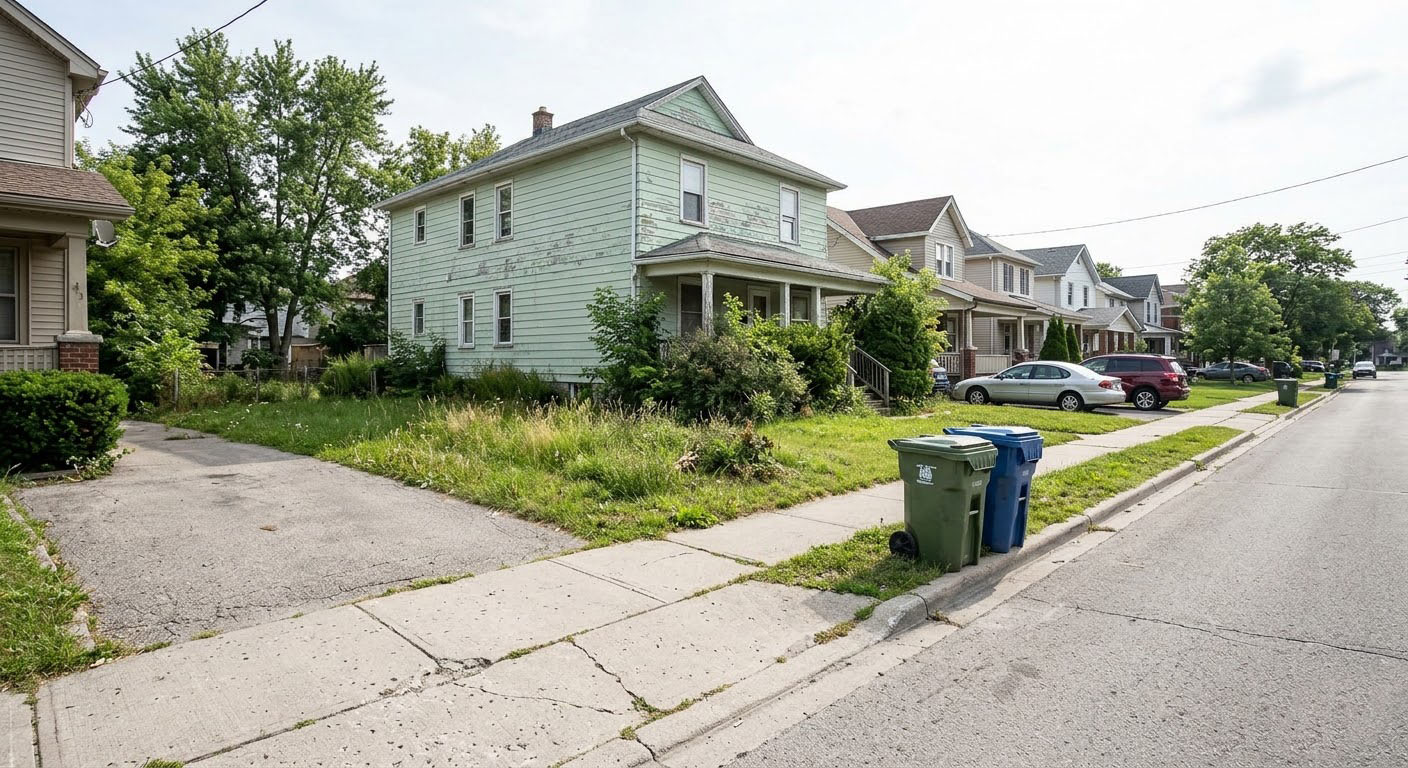
Here's the thing about buying a house: you're not just buying the property. You're buying into a neighborhood, a school district, a commute, and a broader community. Some of the biggest red flags have nothing to do with the house itself.
- Lots of Homes for Sale in the Area
A few homes for sale on a street are totally normal. But if you notice a high concentration of for-sale signs in a neighborhood — especially if some of them have been sitting for a while — that can be a warning sign. It might indicate that the area is declining, that a major employer has left, or that there's something about the neighborhood that's driving people out. Do some research.
- Commercial or Industrial Neighbors
Zoning laws determine what can be built where, but they can change. Check what's nearby and what could potentially be built on nearby parcels. A vacant lot next door might seem like a nice open space, but it could be zoned for commercial development. Similarly, proximity to industrial facilities, busy highways, or flight paths can significantly affect quality of life and property values.
- Flood Zones and Environmental Hazards
Check whether the property is in a designated flood zone — this information is publicly available through FEMA's flood map service. Being in a flood zone doesn't make a property unbuyable, but it does mean you'll likely need flood insurance, which can add hundreds or even thousands of dollars per year to your costs.
Also, look into whether the property has any environmental issues — former gas stations or dry cleaners nearby, history of underground storage tanks, or proximity to Superfund sites. These can affect both your health and your resale value.
7. Seller Behavior and Disclosure Concerns
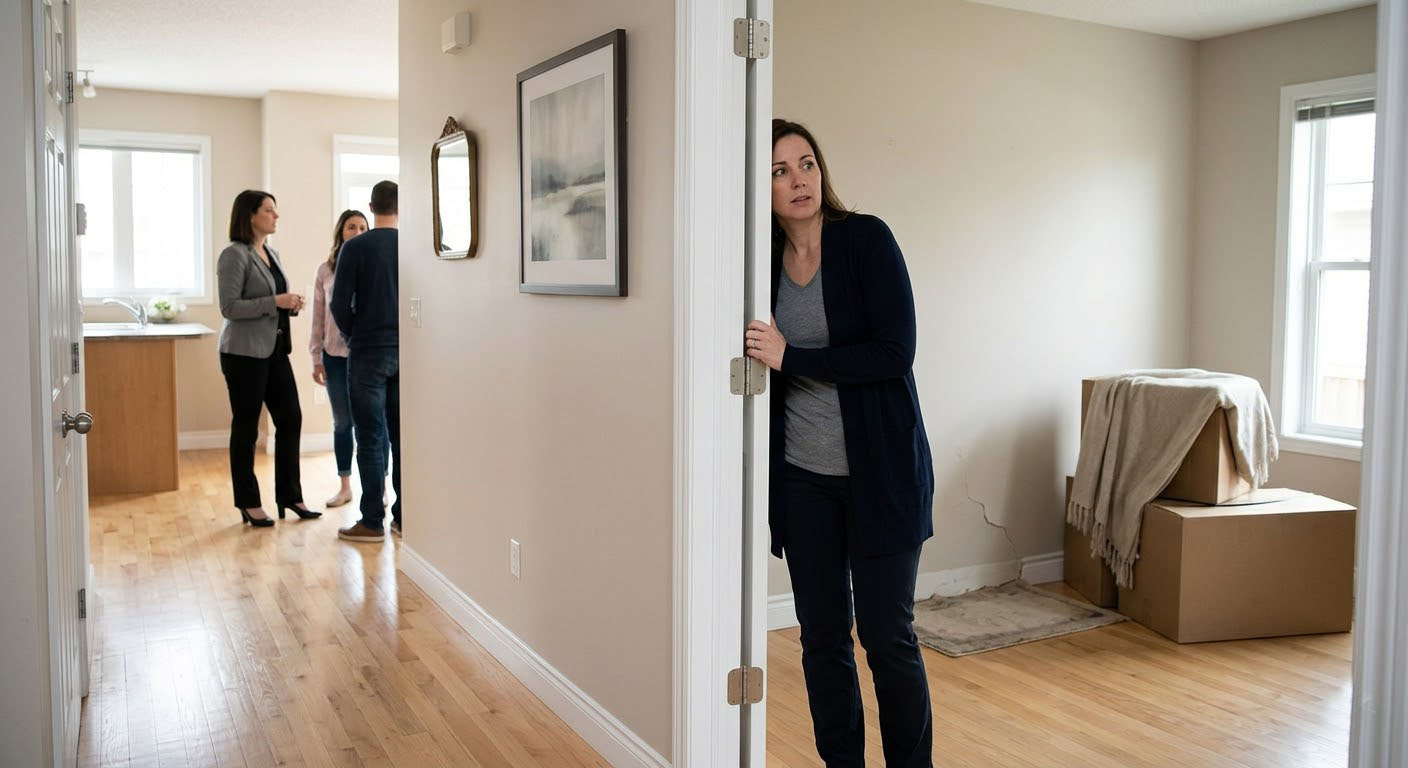
Sometimes the biggest red flags aren't in the house itself — they're in the way the seller is acting, or what they're (not) telling you.
- Reluctance to Allow Inspections
In most real estate transactions, buyers have the right to conduct inspections. If a seller is pushing back on this — limiting the time you have, refusing certain inspections, or insisting on an 'as-is' sale without any due diligence — that's a major warning sign. It's a reasonable question to ask yourself: if there's nothing to hide, why the resistance?
'As-is' sales aren't inherently suspicious — sometimes sellers genuinely just don't want to deal with repairs, or it's an estate sale. But they do place the burden of discovery squarely on the buyer, which makes thorough inspections even more important.
- Vague or Incomplete Disclosures
Sellers are typically required to disclose known material defects. If the disclosure form is largely blank or if answers seem evasive, follow up. Ask specifically about flooding history, roof repairs, foundation work, pest infestations, and any known issues with major systems. If something doesn't add up, trust your instincts.
- A Price That Seems Too Good to Be True
We've all heard the phrase, but it applies here. If a home is priced significantly below comparable properties in the same neighborhood, there's usually a reason. Maybe it needs major work. Maybe there's a known issue that sellers are hoping someone will overlook. Do your homework and find out why.
8. The Cosmetic vs. Structural Distinction — Getting It Right
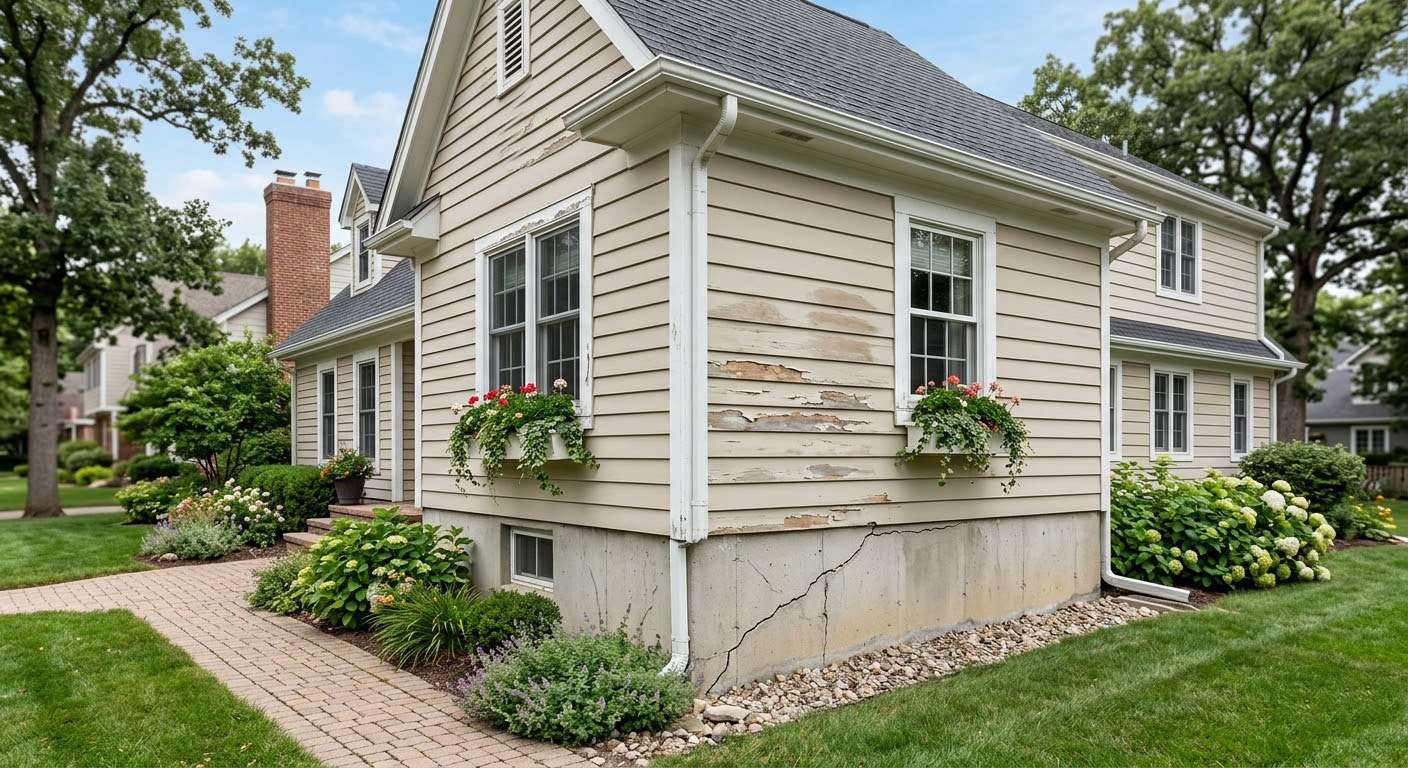
Not every imperfection is a red flag. Part of becoming a savvier buyer is learning to distinguish between genuinely concerning issues and those that are simply cosmetic.
Cosmetic issues — outdated kitchen cabinets, old carpet, peeling paint, and an awkward floor plan — are typically things you can fix over time, and they often work in your favor during price negotiations. They look bad, but they don't affect the integrity of the home.
Structural and systemic issues — foundation problems, failing roofs, outdated electrical panels, major plumbing defects — are a different category entirely. These are expensive, often require professional remediation, and can worsen if not addressed.
The danger zone is when cosmetic fixes are masking something deeper. Fresh paint in one corner of a room. New flooring over old subfloor. A recently renovated bathroom with no permit on record. These are situations where a good inspector earns their fee.
9. How to Protect Yourself
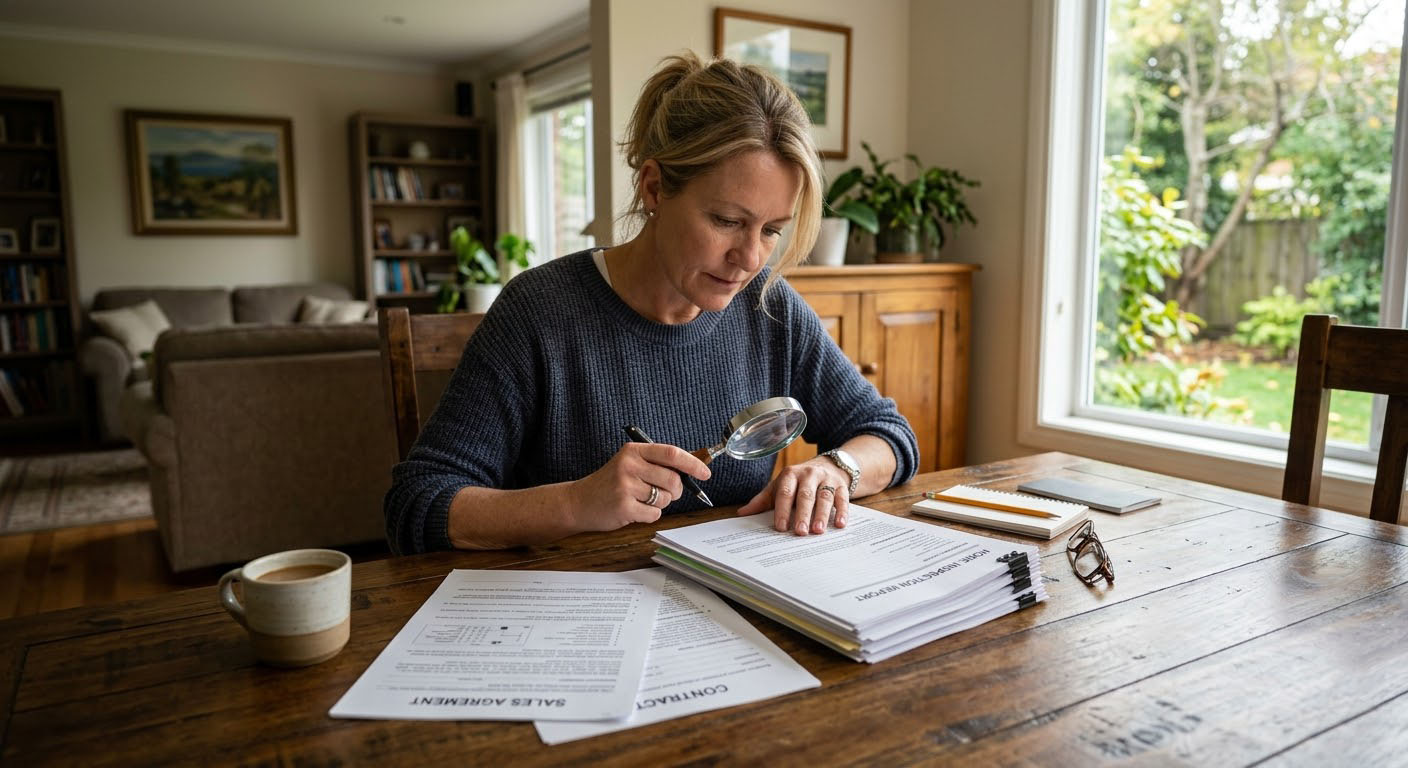
Red flags are only useful if you have the right systems in place to catch them. Here's how to set yourself up:
- Hire a qualified home inspector — every single time. It's tempting to skip this on a competitive market, but a few hundred dollars for an inspection is cheap insurance against a six-figure mistake. Ask for recommendations from people you trust, and make sure your inspector is licensed and experienced with the type of home you're buying.
- Consider specialty inspections. A general home inspection doesn't cover everything. Depending on the home, you might also want a sewer scope inspection, a radon test, a structural engineer's assessment, or an environmental inspection. These cost extra, but they can uncover issues a general inspection might miss.
- Research the home's history. Pull the permit history from the local building department. Look up the address on sites that track flood history or natural hazard risk. Search for any history of insurance claims if you can access it.
- Talk to the neighbors. This one's underutilized. A quick conversation with someone who's lived next door for five years can tell you more about a neighborhood — and sometimes a specific property — than any inspection report.
- Work with an experienced buyer's agent. A good agent has seen hundreds of homes and can often spot red flags before the inspector even arrives. Their job is to represent your interests, which means helping you walk away from the wrong house just as much as helping you buy the right one.
Final Thoughts
Buying a house is exciting, and it should be. But excitement is best paired with clear-eyed diligence. The red flags covered in this guide aren't meant to make you paranoid — most homes have some imperfection, and most deals involve some negotiation over condition.
The goal is to go into the process informed. Know what questions to ask. Know what to look for. Know when to push for more information and when a problem is serious enough to walk away from.
The right house is out there — and it's one where the things you can see match up with the things you can't. Take your time, trust the process, and don't let a pretty kitchen distract you from what's underneath it.