Why Buyers Have More Power in 2026 and How Agents Must Adapt
Feb 07, 2026
A Market Shift No Agent Can Ignore
The U.S. real estate market in 2026 is very different from what agents experienced during the fast-paced, seller-dominated years of 2020–2023. Back then, homes sold in days, buyers competed in bidding wars, and sellers had full control. Today, the market has slowed, inventory is rising, and buyers finally have more choices and more negotiating power.
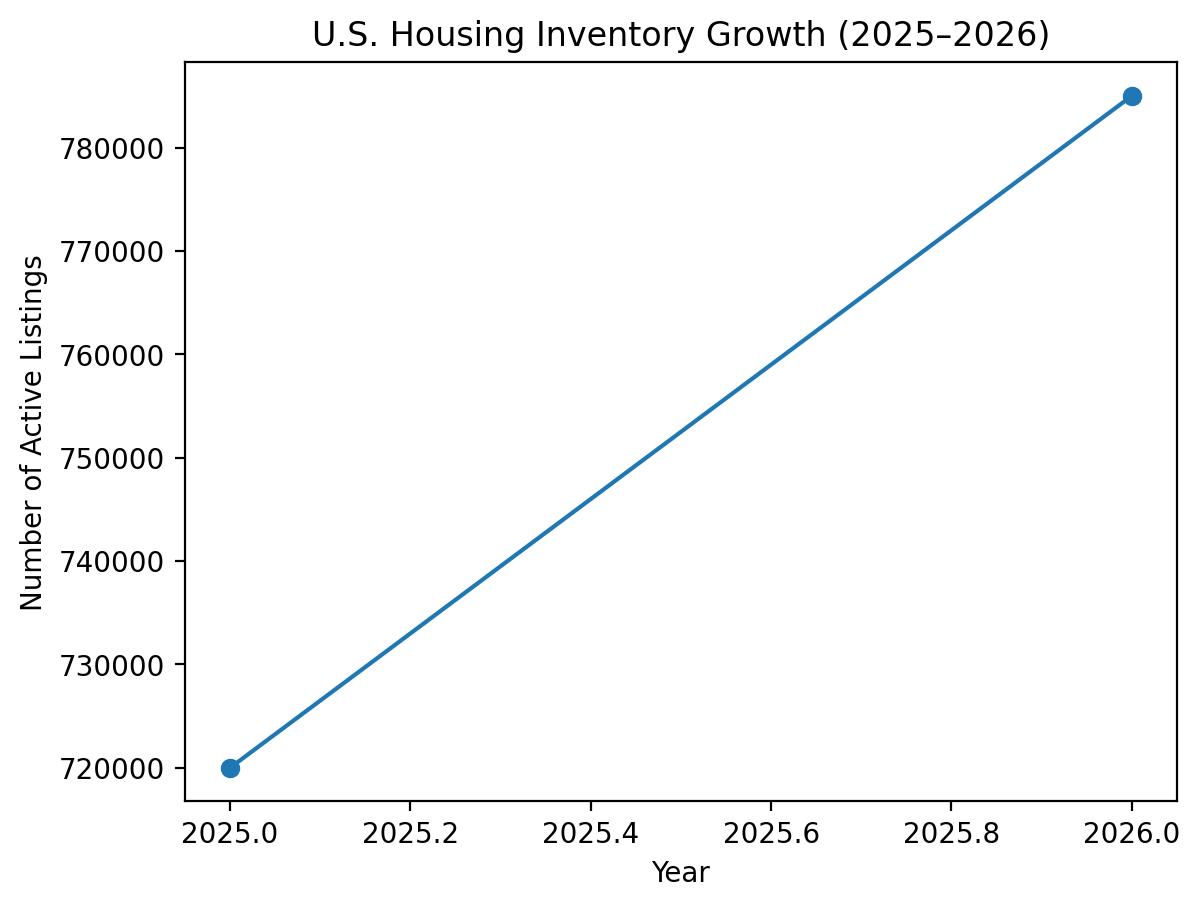
National housing inventory is now up approximately 8.9% year over year (NAR), meaning there are more homes available for sale than last year. This increase gives buyers more confidence, more leverage, and more time to make careful decisions. At the same time, mortgage rates remain higher than in the past, which forces buyers to be more thoughtful about price, payments, and long-term value.
For real estate agents, this shift changes everything. Traditional sales tactics that relied on urgency, pressure, and speed no longer work. Instead, success in 2026 requires a consultative mindset, strong negotiation skills, emotional intelligence, and strategic advising.
In simpler terms, agents must now think like advisors instead of just sellers. They need to guide buyers and sellers carefully, explain the risks and benefits of each choice, and help both sides feel confident throughout the process.
In this in-depth guide, you will learn:
-
Why buyers now have more power in 2026
-
How does this change pricing and negotiations
-
Why traditional selling methods no longer work
-
What skills agents must master to stay competitive
-
How coaching helps agents adapt faster and perform better
If you want to not only survive but thrive in the 2026 real estate market, this roadmap will show you exactly how.
What’s Driving Buyer Power in 2026?
Buyer power in 2026 is not happening by accident. Several major forces are reshaping the real estate landscape and shifting leverage away from sellers and toward buyers.
A. Inventory Growth Is Shifting the Balance
The single biggest factor behind rising buyer power is increased housing inventory. After several years of severe housing shortages, more homeowners are finally listing their properties. Builders have also completed more new construction projects, adding even more supply to the market.
When inventory increases, buyers gain more options. Instead of feeling rushed to make quick decisions, they can compare homes, negotiate harder, and walk away if the terms are not favorable.
In simple terms:
-
More homes for sale = more buyer choice
-
More choice = stronger negotiating power
-
Stronger negotiating power = better deals for buyers
This shift forces sellers to price more competitively and accept negotiation, something many were not required to do in previous years (Realtor.com).
B. Mortgage Rates Are Forcing Smarter Decisions
Although rates have moderated from their 2023–2024 peaks, they remain well above the historic lows of the pandemic era. Buyers now face monthly payments that demand careful consideration.
As a result, modern buyers are:
-
Highly payment-focused and checking affordability closely
-
More financially conservative, avoiding overextending themselves
-
Deeply analytical, comparing multiple options before deciding
-
Emotionally cautious, thinking twice before committing
This shift leads to longer decision cycles, increased contract negotiations, and heightened expectations for agent expertise. Buyers want clear advice, scenario planning, and honest guidance — not high-pressure sales tactics.
C. Market Normalization After the Pandemic Frenzy
The pandemic created a hyper-competitive housing environment characterized by:
-
Bidding wars
-
Waived inspections
-
Appraisal gaps
-
Sight-unseen purchases
That era is now over. Buyers are returning to careful, logical decision-making.
Today’s buyers expect:
-
Thorough inspections
-
Repair negotiations
-
Closing cost assistance
-
Transparent disclosures
This normalization restores logical buying behavior — and with it, buyer power.
How Buyer Power Is Changing Negotiations
As buyer leverage increases, the entire negotiation process changes. Deals now take longer, involve more back-and-forth, and require far more strategic skill from agents. Instead of fast decisions and emotional bidding wars, negotiations in 2026 are more careful, analytical, and value-driven.
Below are the key ways buyer power is reshaping real estate negotiations, explained in simple and practical terms so agents and readers can clearly understand what is happening in today’s market:
-
More Price Negotiation:
-
Buyers now feel comfortable offering below asking price, especially when they see homes sitting on the market longer than expected.
-
Because buyers have more options, they are less afraid of losing a property. This allows them to negotiate more aggressively and patiently.
-
Sellers, on the other hand, are becoming more open to price reductions and flexible counteroffers to attract serious buyers.
-
For agents, this means pricing strategies must be supported by strong market data, clear explanations, and realistic expectations. Agents must be able to explain not just what a home is worth, but why it is priced that way.
-
In simple terms, agents who can clearly explain pricing logic build trust, reduce conflict, and help both sides reach fair agreements faster.
-
-
Increased Seller Concessions:
-
Buyers are increasingly requesting financial help from sellers, such as closing cost credits, interest rate buydowns, repair allowances, and home warranties.
-
These requests are no longer unusual. They are becoming a normal part of modern real estate negotiations.
-
Many buyers rely on these concessions to make monthly payments more affordable or to reduce their upfront costs at closing.
-
Agents must carefully structure offers so that concessions strengthen the buyer’s position without making the seller feel pressured or defensive.
-
Skilled agents explain concessions clearly, helping sellers understand how these incentives can attract stronger offers and reduce time on market.
-
-
Stronger Inspection Demands:
-
During the seller-dominated years, many buyers waived inspections to compete. In 2026, buyers are once again prioritizing safety, quality, and long-term maintenance.
-
Buyers are requesting thorough inspections and negotiating repairs or credits when issues are discovered.
-
These negotiations often involve multiple conversations, contractor estimates, and compromise.
-
Agents must guide buyers through inspection findings, helping them understand which repairs are serious and which are minor.
-
Clear explanation and emotional reassurance prevent unnecessary deal cancellations and protect client confidence.
-
-
Longer Decision Timelines:
-
With more choices available, buyers take additional time to compare homes, analyze financial impact, and consider long-term value.
-
This leads to longer home search periods and extended negotiation timelines.
-
Agents must stay patient, proactive, and supportive throughout the entire process.
-
Regular communication, education, and emotional encouragement help buyers stay engaged and confident in their decisions.
-
These longer timelines provide agents with opportunities to build deeper relationships and trust.
-
-
Greater Contract Complexity:
-
Real estate contracts in 2026 now include more contingencies, negotiation stages, and financial adjustments.
-
Buyers want clear protections in place, while sellers seek flexibility and certainty.
-
This creates contracts that require careful explanation and professional guidance.
-
Agents must walk clients through each clause step by step, using simple language and real-world examples.
-
When clients fully understand their contracts, they feel more secure, which reduces stress, misunderstandings, and last-minute conflicts.
-
This new negotiation environment rewards agents who possess strong emotional intelligence, negotiation psychology, and advisory communication skills. Simply put, agents who guide buyers thoughtfully and confidently close more deals, reduce stress, and build lasting client relationships.
Data Snapshot: Why Buyers Have More Power in 2026
Below is a key data point that clearly shows why buyers now have more leverage:
Final Thoughts
The 2026 real estate market represents one of the most important shifts agents have faced in over a decade. After years of intense competition, limited inventory, and seller dominance, the balance of power is now clearly moving toward buyers. This change is not temporary — it reflects deeper economic, demographic, and behavioral trends that are reshaping how people buy and sell homes.
For buyers, increased inventory and higher interest rates have led to a more thoughtful, cautious approach to purchasing. Buyers are no longer willing to rush decisions, waive protections, or stretch beyond their comfort zones. They want clarity, transparency, and guidance. They want to feel confident that they are making smart long-term financial choices.
For agents, this means the role is evolving rapidly. Success is no longer based solely on speed, lead volume, or aggressive closing techniques. Instead, today’s most effective agents act as trusted advisors, skilled negotiators, and strategic guides. They understand market data, communicate clearly, and help clients navigate uncertainty with confidence.
This shift presents both a challenge and a powerful opportunity. Agents who resist change may struggle as transactions become more complex and buyers become more selective. However, agents who embrace learning, develop advanced negotiation skills, and invest in professional growth can differentiate themselves in a crowded market.
Coaching and continuous training play a critical role in this transformation. Through coaching, agents strengthen their communication skills, emotional intelligence, confidence, and strategic thinking. These capabilities allow them to handle objections calmly, manage complex negotiations effectively, and build long-term trust with clients. Over time, this leads to higher conversion rates, stronger referral pipelines, and greater career satisfaction.
Most importantly, agents who adapt to the buyer-driven market of 2026 position themselves for long-term success. Markets will continue to change, but professionals who focus on skill development, mindset, and client-centered service will remain resilient and profitable in any environment.
The future of real estate belongs to agents who lead with knowledge, empathy, and strategy. By upgrading your approach today, you can not only survive the market shift — you can thrive within it.