Trading Yards for Walkability: 2026 Home Buyer Trends
Jul 31, 2026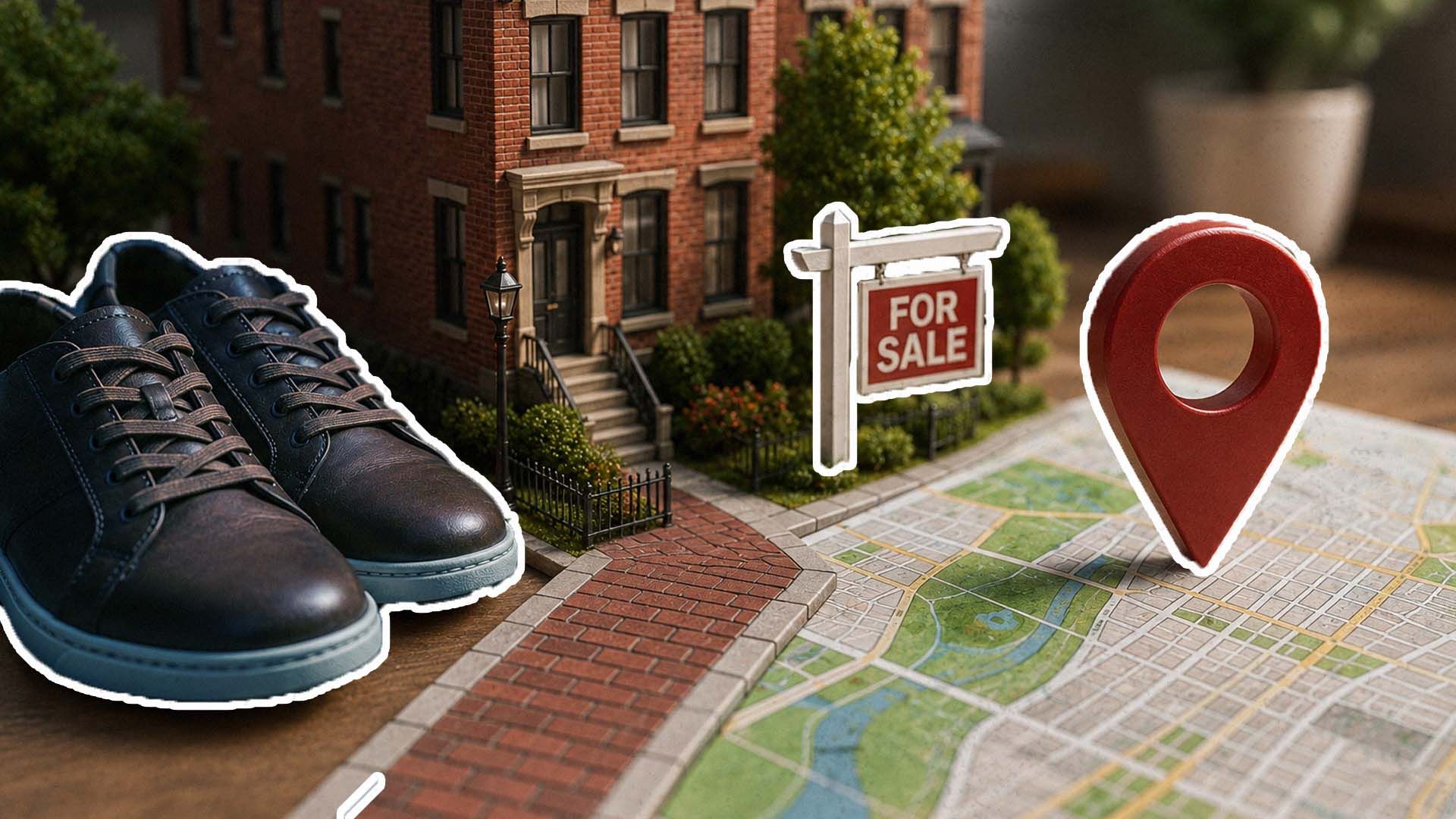
Written by Discount Property Investor Team
Modern walkable neighborhoods are commanding premium real estate prices in 2026.. Source: gb&d magazine
For decades, the American Dream of real estate was measured by a very specific metric: the property line. The goal was to secure the largest possible house on the largest possible plot of land, with sprawling green grass separating you from your neighbors. It was a lifestyle defined by privacy, square footage, and the sheer volume of space you could claim as your own.
But as we navigate the housing market of 2026, the conversation happening at kitchen tables and in real estate offices across the country has profoundly shifted. Buyers are no longer just looking at a property’s lot size; they are looking at the lifestyle that property affords. They are asking how a home functions, how it connects them to their community, and how it impacts their daily time management.
Today's buyers are walking through front doors and immediately assessing the flow of their daily lives. They are trading the riding lawnmower for a good pair of walking shoes. They are pooling resources with their parents to secure better locations. They are leveraging massive builder incentives to bypass the headaches of aging resale homes.
Welcome to the 2026 housing market—where usability, community access, and financial creativity are completely redefining what makes a house a home.
The Walkability Premium: Why Community is Conquering the Cul-de-Sac
If there is one defining characteristic of the modern home search, it is the intense desire for connection and convenience. The isolation that once defined luxury is now seen by many as a logistical burden.
Recent consumer data highlights this shift with startling clarity. When forced to choose between isolation and accessibility, modern buyers are overwhelmingly choosing the latter. According to the National Association of REALTORS®' 2026 Community and Transportation Preference Survey,
This isn't just a slight preference; it is a fundamental reordering of real estate priorities. But what exactly is driving this transition?
The True Cost of the Commute
The desire for walkability isn't just about leisurely Saturday morning strolls to a local café—though that certainly plays a part. It is heavily rooted in the financial and psychological costs of commuting. The time spent sitting in traffic, ferrying children to endless activities miles away, and running basic errands requires a massive expenditure of time and fuel. In contrast, neighborhoods where grocery stores, parks, restaurants, and schools are accessible by foot or a short bike ride offer a "frictionless" lifestyle that buyers are actively seeking out.
The Usable Space Revolution
This trend directly impacts how buyers view square footage. A well-designed 2,000-square-foot home situated three blocks from a vibrant downtown district is often heavily favored over a 3,500-square-foot home located twenty minutes from the nearest grocery store. It is no longer about excess space; it is about usable space. Buyers are prioritizing functional flow—mudrooms that keep clutter contained, kitchens with open sightlines, and flex spaces that adapt to remote work—over massive, formal living rooms that sit empty 360 days a year.
The Rarity of the "15-Minute City"
Despite the massive demand for walkable communities, the supply remains woefully inadequate across much of the United States. This scarcity has created a massive premium on the properties that do exist in these zones. A 2026 baseline report reveals that
Because these neighborhoods are so rare, the homes within them command significantly higher prices. Buyers aren't just paying for the house; they are paying a premium for the infrastructure, the sidewalks, the mature trees, and the built-in community access. For real estate investors and sellers, properties located in these high-walkability scores are proving to be remarkably resilient against broader market fluctuations.
The Rise of Creative Co-Buying: Multigenerational Living
As buyers search for homes in these desirable, walkable locations, they often face a significant hurdle: affordability. With elevated home prices remaining a stubborn reality in 2026, buyers are getting incredibly creative with how they finance and structure their purchases.
Enter the rise of the multigenerational home—a trend that is completely reshaping residential architecture and family dynamics.
Pooling Purchasing Power
We are seeing a massive surge in families pooling their resources to buy properties they could not afford individually. This isn't just about surviving a tough housing market; it is a strategic financial maneuver. By combining the equity and income of aging parents with the earning power of their adult children, families are able to dominate bidding wars, secure properties in premium neighborhoods, and significantly reduce their individual debt burdens.
Gen X at the Helm
This movement is being driven heavily by Generation X. Caught squarely in the "sandwich generation," these buyers are simultaneously dealing with the needs of their aging parents and the struggles of their adult children who are facing a historically tough entry-level housing market.
The data confirms this massive shift in household composition. According to the 2026 Home Buyers and Sellers Generational Trends report,
Architectural Adaptations
This trend is having a profound impact on what buyers are actually looking for in a floor plan. The standard four-bedroom, two-and-a-half-bath layout is no longer sufficient for a family pooling three distinct adult lives under one roof.
Today's most sought-after homes feature:
-
Dual Primary Suites: Homes with two main bedrooms (one on the ground floor for aging parents, one upstairs) are selling at a massive premium.
-
Accessory Dwelling Units (ADUs): Whether it's a finished basement with a separate entrance, a converted garage, or a detached carriage house, properties with ADUs are the ultimate prize for the co-buying demographic.
-
Zoned Living: Floor plans that offer distinct, separate living areas (like a main-floor den combined with an upstairs loft) allow multiple generations to coexist without living on top of each other.
Realtors and sellers who understand this dynamic—and know how to market a home’s flexible floor plan to a multigenerational family—are dominating the 2026 market.
New Construction vs. Resale: The Shifting Balance of Power
If a buyer decides that a walkable, mature neighborhood or a multigenerational resale home isn't the right fit, their attention inevitably turns to new construction. And in 2026, the battle between "new" and "used" homes is more competitive than ever, driven heavily by builder incentives.
Historically, resale homes in established neighborhoods were considered the safer, more affordable bet. New construction was viewed as a luxury—a premium product that required a premium price tag. Today, that narrative has been flipped on its head.
The Power of Builder Incentives
Individual home sellers are currently at a distinct disadvantage when competing against large national and regional homebuilders. While a traditional seller can perhaps offer a few thousand dollars in closing cost assistance or agree to leave the refrigerator, builders are functioning almost like internal banks, wielding massive financial tools to move their inventory.
In an effort to keep their sales pipelines flowing,
Let that sink in. In a market where standard mortgage rates fluctuate significantly higher, a builder offering a sub-5% rate fundamentally changes a buyer's monthly payment. This "incentive advantage" means that a newly built, $450,000 home might actually carry a lower monthly payment than a $400,000 resale home financed at the standard market rate.
The "Turnkey" Appeal
Beyond the pure math of interest rate buy-downs, new construction is appealing to the 2026 buyer's desire for a frictionless life.
When you buy a resale home—especially one built 20 or 30 years ago—you are inheriting a honey-do list. The HVAC system might have three years left; the roof might need replacing before the end of the decade; the floor plan might feature the closed-off, compartmentalized rooms of the 1990s rather than the open, flowing spaces buyers want today.
New construction offers a "turnkey" lifestyle. Buyers get modern energy efficiency (which drastically lowers monthly utility bills), contemporary layouts designed for how we live right now, and, most importantly, the peace of mind that comes with a builder's warranty.
The Trade-Off: What You Give Up for "New"
However, buying new construction isn't a flawless victory. To secure those modern floor plans and sub-5% interest rates, buyers often have to compromise on the very things we discussed at the beginning of this article: location and community.
Because land in highly walkable, urban, and inner-suburban rings is scarce and expensive, most affordable new construction is happening on the outer fringes of metro areas. Buyers who opt for new construction often find themselves sacrificing the 15-minute city lifestyle, trading the walkable coffee shop and mature tree canopies for a longer commute and a neighborhood that is still waiting for its commercial infrastructure to catch up.
Furthermore, to keep price points competitive, builders are frequently constructing on much smaller lots, meaning buyers are sacrificing yard space without gaining the community walkability they crave.
Actionable Takeaways for the 2026 Market
Whether you are looking to buy an investment property, sell your family home, or dive into the market as a first-time buyer, understanding these shifts is critical to making a sound financial decision.
If You Are Buying in 2026:
-
Run the True Costs: Don't just look at the listing price. Calculate your commuting costs, the cost of future maintenance on an older home, and the massive difference a builder's rate buy-down can make on your monthly payment.
-
Audit Your Lifestyle: Be ruthlessly honest about how you actually live. If you hate yard work and spend your weekends driving to local parks and restaurants, stop looking at massive suburban lots. Target the 15-minute city zones, even if it means sacrificing interior square footage.
-
Explore Co-Buying: If you are priced out of the neighborhoods you love, have a serious conversation with family members. A multigenerational purchase might be the key to unlocking real estate wealth and securing a premium location.
If You Are Selling in 2026:
-
Market the Lifestyle, Not Just the Specs: Buyers can read the square footage on Zillow. What they need to know is how the house lives. Highlight the walkability of your neighborhood. Emphasize how easy it is to get to the local grocery store or the nearby park.
-
Showcase Flexibility: If your home has a finished basement, a bonus room, or a main-floor office with an adjacent bath, market it aggressively to the multigenerational buyer pool. Show them exactly where the aging parent would live or where the boomerang adult child would stay.
-
Compete with the Builders: If there is new construction in your area, you must make your home as turnkey as possible. Buyers will not pay top dollar for a home that needs immediate work when they can buy a brand-new house with a warranty and a lower interest rate down the street. Pre-inspect your home, fix the glaring issues, and consider offering closing cost credits to help buyers buy down their own interest rates.
The 2026 housing market is defined by a beautiful, necessary pragmatism. Americans are no longer buying homes just to impress their neighbors; they are buying homes to improve their daily lives. The shift toward walkability, the rise of strategic co-buying, and the fierce competition between new builds and resale homes all point to a consumer base that is highly educated and deeply focused on usability.
As we look toward the rest of the year, one thing is certain: the homes that offer community connection, flexible living arrangements, and financial predictability will continue to dominate the market.
Join the Conversation!
We want to hear from you. The data says 59% of people want the smaller yard and the walkable street, but we want to know what our local community thinks.
Big sprawling lawn or walkable streets and local coffee shops—which are you choosing in 2026?